
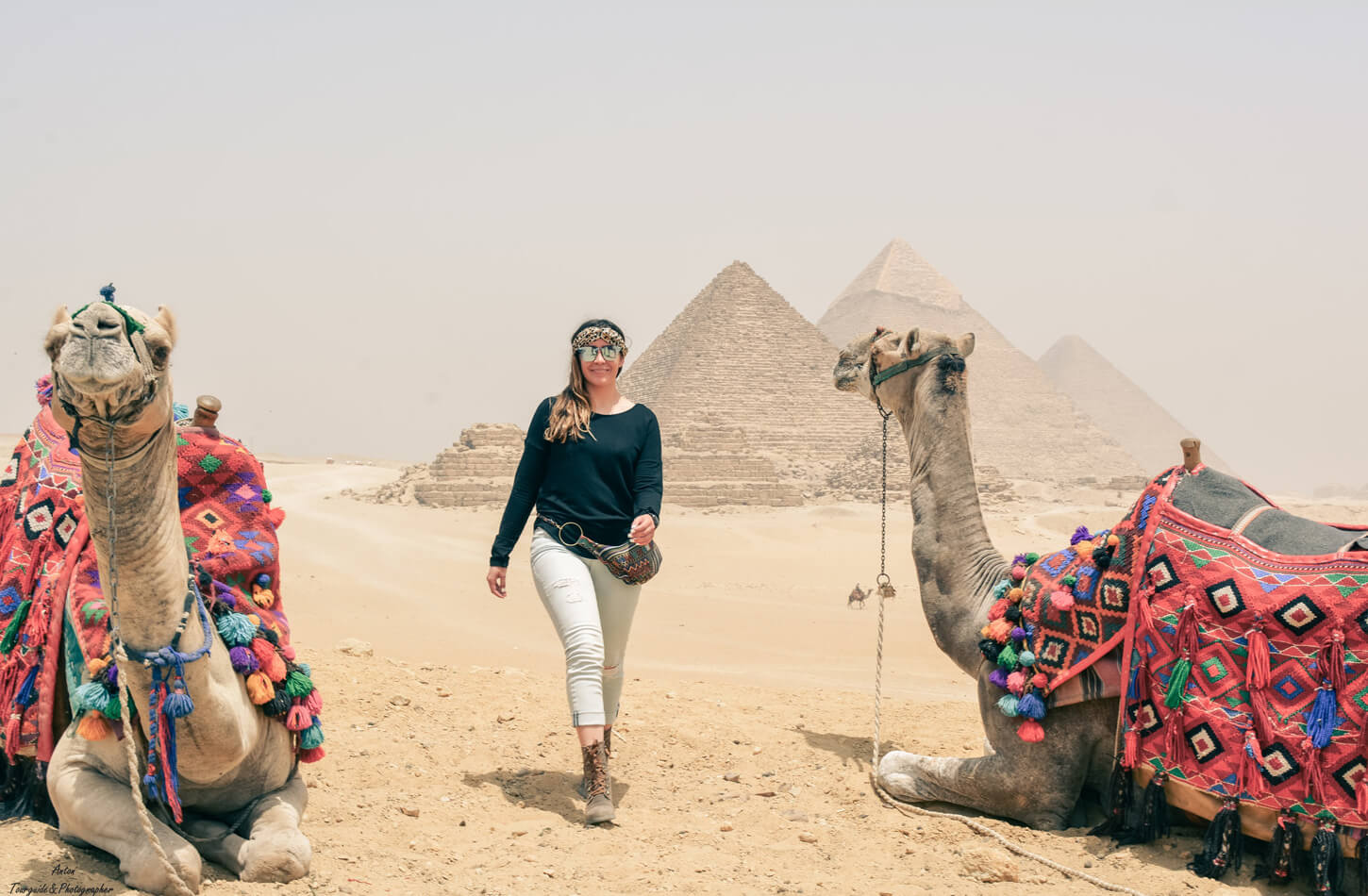
Have you ever imagined touching a stone that outlived time itself? The Pyramids of Giza, standing for over 4,500 years, offer more than just pyramids sightseeing tours—they’re gateways to ancient mysteries waiting to be explored.
These ancient wonders aren’t just relics; they’re invitations to wander where pharaohs walked. This guide helps you plan every step, from choosing 1-day excursions to multi-day journeys that let you dive deeper into Egypt’s history. Ready to uncover why these monuments still amaze travelers today?
Whether you seek budget-friendly explore ancient pyramids options or luxury itineraries, this guide breaks down how to make your visit unforgettable. Discover why millions still flock to these timeless giants—and what secrets they hide just beyond the sand.
Understanding the Majesty of Egypt’s Ancient Pyramids
The Pyramids of Giza were built as eternal resting places for pharaohs like Khufu, Khafre, and Menkaure. These massive structures, including the Great Sphinx, show over 4,500 years of history. During egypt pyramids excursions, you’ll learn how these tombs symbolized the pharaohs’ journey to the afterlife, blending religion and power.
The Great Pyramid of Khufu, standing at 146.6 meters, remains the oldest wonder still intact today.
Pyramid historical tours reveal how ancient builders used 2.3 million limestone blocks—each weighing up to 15 tons—without modern tools. The precision in their alignment with stars and the Sphinx’s enigmatic face hint at advanced knowledge. These marvels were part of a larger necropolis, including queens’ pyramids and temples.
UNESCO’s recognition protects these sites, ensuring their preservation for future generations. Whether walking among the three main pyramids or gazing at the Sphinx’s scale (20 meters tall and 73 meters long), the engineering brilliance becomes clear. Pyramid historical tours also explain rituals like the Valley Temple’s role in mummification ceremonies, enriching your visit.
Best Times to Experience Pyramids Sightseeing Tours
Choosing the right time for your pyramids sightseeing tours is key. Visit between October and April for mild temperatures, perfect for exploring. Summer months (May–September) are too hot, with Cairo’s temperatures soaring over 104°F (40°C).
Arrive by 8 AM for the best light and fewer crowds. Early mornings offer crisp photos and cooler air. Late afternoon, around 3–4:30 PM, is also great—golden hour sunlight enhances the pyramids’ contours. Avoid peak hours (10 AM–2 PM) when tour groups overwhelm the site.
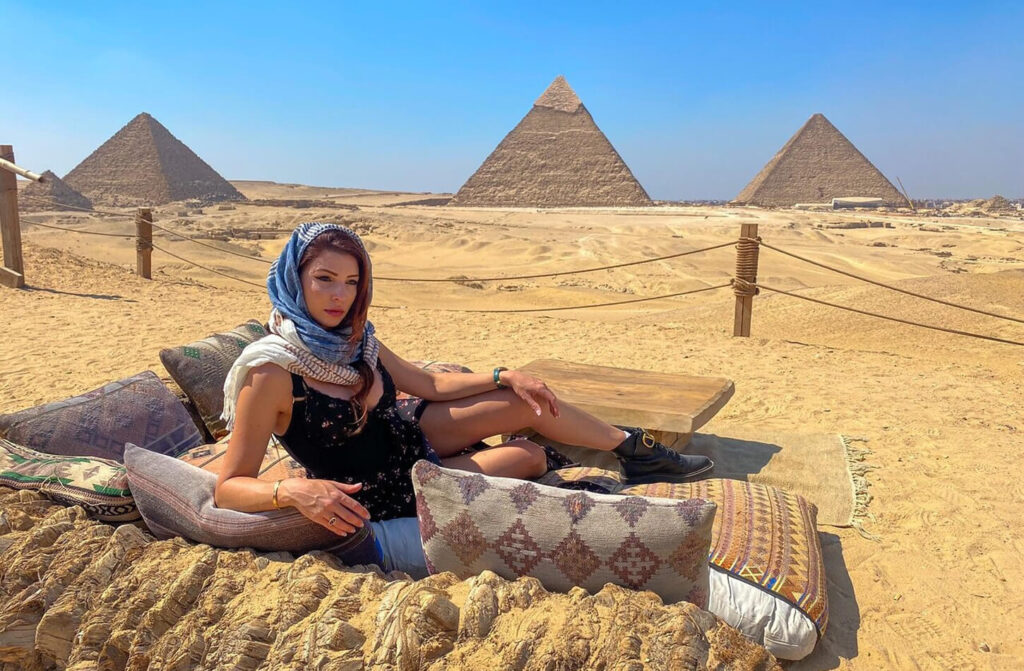
Luxury pyramids tours often include early access before crowds arrive. Some packages let you explore at sunrise, with private guides and VIP entry. The Marriott Mena House, near the site, offers 5-star stays with pyramid views, ideal for luxury travelers.
Be aware that Fridays and Saturdays have more crowds, with families in tow. Check local holidays like Ramadan, which may affect schedules. Photography? Morning light is best for the Great Pyramid, but the Bent Pyramid shines in afternoon sun. Adjust your schedule based on what you want to capture.
The Pyramids are open daily until 5 PM in winter and 7 PM in summer. Plan your visit around these hours, and consider booking tours that align with optimal lighting. Your patience in timing will reward you with unforgettable sights—and fewer hassles from vendors.
Planning Your Perfect Pyramids Sightseeing Tours
First, check ticket prices for Giza Plateau entry. It costs 540 EGP plus fees to see the interiors. The Great Pyramid of Khufu costs 900 EGP, while Menkaure’s costs 220 EGP. You can buy tickets at the main entrance or Sphinx gate, using cash or cards.
Advance booking isn’t needed, but egypt pyramids excursions book fast during peak seasons like 2025/2026.
A taxi from Cairo takes 40 minutes, costing $25–$40. Public buses are cheaper but slower. Plan your customize pyramid adventures for a half-day or full-day trip.
Start early to see the Sphinx at sunrise. Then, explore the pyramids before it gets too hot. Evening shows add a dramatic finish.
Balance your trip with camel rides or quad biking. Most tours ($60–$410) include guides, transport, and entry fees. Don’t forget sunscreen, hats, and reusable water bottles. Visa on arrival is $25 for 30 days.
Choose activities based on your interests. Architecture fans might love the Great Pyramid’s interior. History buffs can explore nearby tombs. Mix self-guided walks with group tours for a customize pyramid adventures experience. Let Egypt’s landscapes guide your perfect mix of exploration and relaxation.
Types of Pyramid Tour Packages Available
Choosing the right pyramid tour package depends on what you like. Guided tours near pyramids offer expert-led experiences. Self-guided tours let you explore on your own. Let’s see how each style changes your trip.
Guided tours come with a licensed expert who tells stories about the Pyramids and ancient Egypt. These tours often include transport, entrance fees, and visits to places like the Sphinx. For instance, a 4-day trip might visit Giza, Saqqara’s Step Pyramid, and the Egyptian Museum.
Independent travelers can buy tickets themselves but might miss out on special spots without local tips.
There are tours for everyone. Photography fans get the best light at sunrise or sunset. Family tours have games and activities for kids. Luxury tours offer VIP access and stays at fancy hotels.
Budget tours are affordable by grouping travelers. Academic tours include lectures on the engineering of the Great Pyramid.
Find tours that fit your pace. Private tours include a driver, guide, and comfy transport. Whether you want adventure or to relax, these tours make your trip better.
What to Pack for Your Pyramid Excursion
Getting ready for pyramids sightseeing tours means packing smart. Choose lightweight, breathable clothes like cotton shirts and long pants. These protect you from the sun and sand. Don’t forget a hat, sunglasses, and sunscreen with SPF 50+.
Temperatures in the desert can drop to 60°F in winter or soar to 130°F in summer. So, wear light sweaters for cooler nights. Women should wear modest clothes that cover shoulders and knees during pyramid historical tours.
Bring a daypack with must-haves: a refillable water bottle, money belt with 200-300 Egyptian pounds, and a 2-prong European adapter. Don’t forget a portable charger, hand sanitizer, and tissues. Public restrooms might not have toilet paper.
Leave drones and CBD products at home. Carry prescription meds with a doctor’s note and a basic first-aid kit. This is for blisters or sunburns.
For photography, bring a camera with a zoom lens, a microfiber cloth, and a tripod. You might not need dress shoes; comfortable sandals are better. Save space for souvenirs and bring a reusable shopping bag. Remember, 50% of travelers face mosquito issues, so pack insect repellent. Focus on enjoying Giza or Abu Simbel Temple without any packing worries.
Essential Tips for Navigating Pyramid Sites
When explore ancient pyramids at Giza, start by mapping the layout. The Giza Plateau has many landmarks, like the Solar Boat Museum and the Sphinx. Wear sturdy shoes—the 3km path from the Sphinx to Panoramic Point demands comfort. Stick to marked paths to avoid rough terrain.
Avoid getting overwhelmed by touts. Politely decline unsolicited offers but consider hiring pyramid tour guides licensed by the Supreme Council of Antiquities for accurate history. Agree on prices upfront for camel rides or photos to prevent disputes.
Arrive early to beat crowds and heat. The site opens at 7 AM, with cooler temperatures before 10 AM. Carry water and a hat—temperatures soar past 100°F in peak months. Note that climbing pyramids is banned to protect structures, so focus on ground-level exploration.
Two entrances—near the Great Pyramid and the Sphinx—offer different entry points. Use rest areas and shaded spots to rest. Respect guidelines: no touching artifacts or leaving marked zones. Combining these tips ensures a smooth journey through history while explore ancient pyramids safely and knowledgeably.
Beyond the Pyramids: Complementary Attractions
The Giza Pyramids are the main attraction in Egypt, but egypt pyramids excursions also explore other gems. The Grand Egyptian Museum is close by, showcasing history with King Tut’s treasures. You should also see the Saqqara Step Pyramid, the first stone structure, and the ancient city of Memphis with its giant statues.
For thrill-seekers, guided tours near pyramids might include camel rides at sunset or ATV adventures. The Solar Boat Museum houses an ancient boat for pharaoh Khufu. At night, the Pyramids Sound & Light Show lights up the Sphinx with tales of Egypt’s past.
Places like Dahshur’s Bent Pyramid offer great photo spots. Modern art installations near the pyramids add a unique touch. These extras make a day trip into a journey through Egypt’s rich history. Many egypt pyramids excursions can tailor your trip to include culture, history, and adventure.
Selecting Reliable Pyramid Tour Guides
Choosing the right pyramid tour guides makes your visit to the Giza pyramids special. Look for Egyptologists with formal training and lots of experience. They bring ancient history to life, telling you how the pyramids were built with 2.3 million stone blocks.
Their insights share stories behind each structure. For example, the Great Pyramid is a 4,500-year-old engineering marvel.
Check guides through online reviews and tour operator websites. Good guides offer extra perks like photo tips and avoiding vendor hassles. For luxury tours, look for companies with air-conditioned transport and small groups.
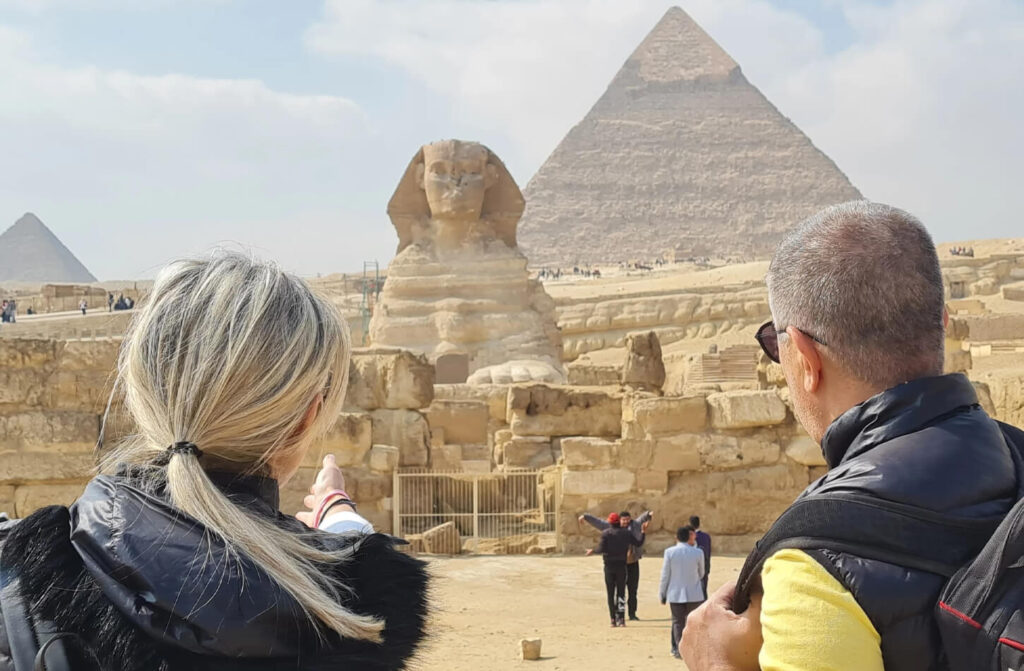
Make sure they include entry fees and flexible itineraries. Some private tours even arrange early morning visits to avoid the heat.
Ask about their knowledge of lesser-known sites, like Queen Khentkaus’ free-access pyramid. Stay away from unlicensed guides who might skip important facts. Reputable operators handle everything, from airport transfers to visa on arrival.
A skilled guide turns sightseeing into a story that connects you to ancient Egyptian life. This makes your adventure unforgettable.
Common Mistakes to Avoid During Pyramid Historical Tours
Planning pyramid historical tours needs careful thought. Many visitors hurry, missing key sights. Customizable pyramid adventures let you set your own pace.
Try to visit in the early morning or late afternoon to avoid the heat.
Not booking tickets in advance can cause stress. Get tickets for inside access early to avoid missing out.
Carrying big bags slows you down. Keep only what you need in a small backpack.
Ignoring local customs can lead to problems. Dress modestly and ask before taking photos. Avoid touching the structures.
Climbing the pyramids can result in a big fine and ban.
Dealing with touts requires patience. Bargain nicely but be firm. Carry small bills for vendors.
Choose licensed guides to avoid scams.
Don’t miss sites like the Red Pyramid in Dahshur, just 30 minutes from Giza. It adds depth to your visit.
Check TripAdvisor for tips on avoiding overpriced camel rides or tours.
Guardian Guesthouse is a peaceful place near the site for unwinding. Wear sturdy shoes for walking.
Remember, the pyramids close at 4 or 5 PM. Stay until sunset for amazing views.
Conclusion: Making Memories on Your Pyramid Adventure
Standing before the Great Pyramids of Giza, history feels real. The pyramids, Sphinx, and places like Saqqara’s Step Pyramid are full of secrets. Each visit lets you connect with 4,500 years of human history.
Take photos, write in a journal, and buy a souvenir from local artists. This way, you can remember your time there. It’s a chance to see the past up close.
Exploring responsibly helps these wonders last. Stay on paths, respect the sites, and support local tours. Your visit can help protect these places for others to see.
The desert and pyramids are waiting for you. Explore with care, and their stories will stay with you. This is more than a trip—it’s a journey through time.
Whether you join a tour or go on your own, there’s much to see. Let the desert winds guide you as you uncover ancient Egypt’s secrets. This adventure is a bridge to the past. Are you ready to take that step?
Discover more of our related articles: