
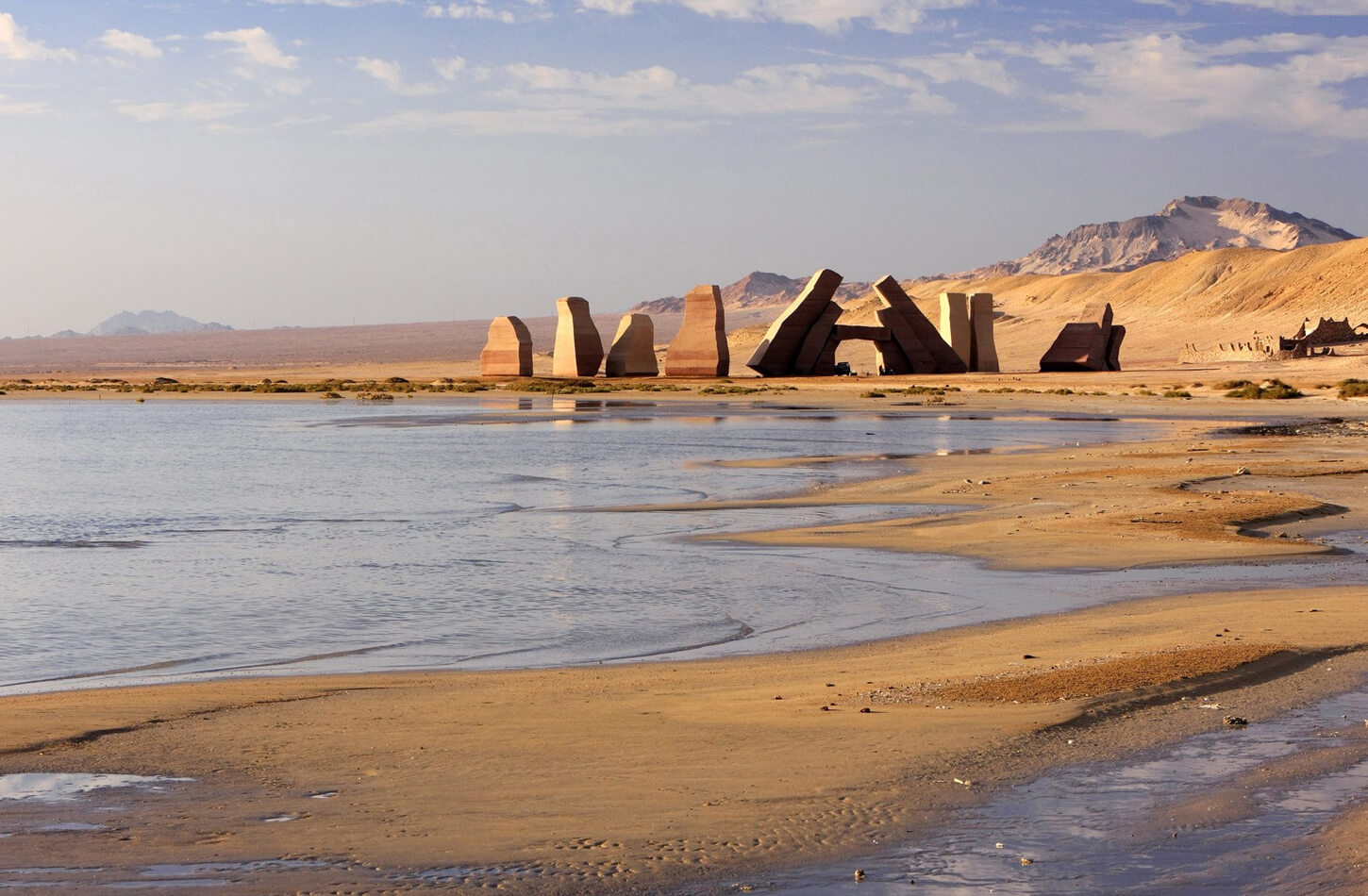
Have you ever thought about exploring Egypt’s ancient deserts and vibrant reefs in an eco-friendly way? mix cultural heritage with protecting the environment. The Nile River stretches for 6,650 km, and the Red Sea has unique ecosystems. sustainable travel Egypt is changing how we see this historic land.
The Ministry of Environment and Ministry of Tourism are teaming up. They create protected areas like Ras Muhammad National Park and Whale Valley—a UNESCO site with ancient whale fossils. Eco-lodges like Adrere Amellal and Al Karm offer luxury while being sustainable.
With over 27 protected areas and plans to add more, Egypt’s eco-tourism is more than a trend. It’s a movement to protect its wonders for the future.
Understanding Eco-tourism in Egypt: A Growing Movement
Eco-tourism in Egypt is more than a trend; it’s essential. It aims to protect the Red Sea reefs and ancient sites while helping local communities. By choosing eco-friendly travel, you help save these wonders for the future.
Now, over 80 hotels in Egypt have the Green Star Certificate. They use solar energy and cut down on plastic. The Egyptian Tourism Development Authority has picked four areas for eco-tourism: coasts, deserts, riverbanks, and wetlands. Each offers unique experiences, like diving in the Red Sea or exploring the Nile’s valleys.
But, there are still challenges. Places like the Valley of the Kings get too crowded, which can harm them. Learning from Machu Picchu’s system shows we can find solutions. In Dakhla Oasis, locals like Nasser al-Hamoud make crafts for tourists while keeping their desert heritage safe. The Al Tarfa Desert Sanctuary, run by locals, uses solar power and hires villagers, blending tradition with sustainability.
Numbers show the impact: global eco-tourism brings in $7.6 trillion a year, and Egypt’s protectorates welcome 8 million visitors. The Ministry of Tourism has trained 1,250 workers in safety and sustainability. Projects like the Planeterra Foundation’s work with Mayan communities in Guatemala show how empowering locals can boost culture and economies.
As Egypt invests in eco-lodges and nature reserves, travelers can make a difference. Choosing eco-certified tours and supporting local guides leaves a positive impact. Eco-conscious travel in Egypt is not just possible; it’s the future of exploration here.
Planning Your Green Egyptian Adventure
When planning green holidays Egypt, timing is key. Visit from October to April to dodge crowds and save resources. This time also matches the Nile’s natural flow, crucial for 95% of Egyptians.
Bring eco-friendly items like a reusable water bottle and solar charger. Choose hotels with EarthCheck certification for their green efforts.
Travel by train or bus to cut down on emissions. Egypt’s rail network links big sites like Luxor and Aswan. Support local projects like Sinai workshops or Cairo’s waste-upcycling.
Respect ancient sites by staying on marked paths. Small actions like short showers and reusable bags help save water and reduce plastic. Egypt faces severe water scarcity by 2025, so every bit counts.
Look for tours that support conservation, like Red Sea coral reef monitoring. Egypt’s solar parks show its renewable energy commitment. By choosing eco-friendly options, you contribute to environmentally friendly tourism Egypt. Plan wisely to protect Egypt’s treasures for the future.
Green Transportation Options While Exploring Egypt
Choosing how to move between places is key in eco-tourism in Egypt. Egypt’s train system is a low-emission way to travel between cities. Trains like Egyptian National Railways connect Cairo, Luxor, and Aswan, reducing carbon footprints compared to flights.
Booking tickets early ensures smooth journeys. This makes rail travel both practical and planet-friendly.
Within cities, public buses and shared shuttles reduce emissions. Cairo’s microbuses or Alexandria’s trams are budget-friendly and sustainable. Walking or biking in historic areas like Luxor’s temples lets you explore while keeping emissions zero.
For groups, eco-friendly tours Egypt often use hybrid vehicles or electric buses. Sharm El-Sheikh now runs five new electric models.
When renting a car, opt for shared rides or hybrid vehicles. Many tour companies offer solar-powered Nile feluccas or electric boat tours. Sharm El-Sheikh’s shift to solar energy, like the Monte Carlo Hotel’s 850 kWp system, supports eco-tourism goals.
Even small choices, like using LED-lit hotels or reusable bags during transit, add up to bigger impacts.
Travel2Egypt highlights partnerships with local guides and solar-equipped transport providers. By aligning with these options, you support communities and protect sites like the Red Sea’s coral reefs. Every choice, from trains to solar-powered tours, helps Egypt meet its 42% renewable energy target by 2035.
Plan smartly, and your journey becomes part of a greener future.
Eco-Friendly Accommodations Across Egyptian Destinations
Egypt is leading the way in eco-friendly travel. Over 200 hotels now meet high environmental standards thanks to the Green Star initiative. These places use renewable energy, save water, and work with local communities to lessen their impact.
In cities like Cairo, hotels offer both comfort and care for the planet. They use solar power, buy from local farmers, and provide water stations to reduce plastic. Look for hotels with energy-saving tech and programs to cut waste.
Desert and coastal lodges are also big on sustainability. In Siwa, buildings use salt rock and handmade furniture, showing respect for local traditions. They often use solar power and limit electricity to just one hour a day. Places like El Gouna use solar energy and green transport to protect the environment.
Make sure to choose hotels with the Green Star label to avoid greenwashing. Ask about their energy sources and community work. Opt for hotels that use local materials and serve organic food to support Egypt’s eco-tourism efforts.
Top Sustainable Activities and Experiences in the Land of Pharaohs
Explore ethical adventures in Egypt by walking ancient trails carefully. Visit famous sites like the Giza Pyramids or Karnak Temple. Stay on the paths to protect the ruins.
Carry reusable containers to reduce waste. Look at artifacts from a distance. Join local communities for hands-on experiences.
Learn to weave in Aswan villages or cook koshari with local ingredients. These activities support artisans and preserve heritage.
Discover Egypt’s natural beauty. Snorkel in the Red Sea’s coral reefs with eco-friendly operators. Trek through the White Desert’s unique rock formations on guided tours.
Night safaris in the Western Desert use special vehicles to protect the dunes. Sail the Nile River on solar-powered feluccas. This combines history with sustainability.
Choose tours certified by the Egyptian Environmental Affairs Agency. Pick guides who know about conservation. This way, you protect Egypt’s treasures while having amazing experiences.
Every step you take helps leave a smaller footprint. This ensures future explorers can also enjoy these wonders.
Supporting Local Communities Through Responsible Tourism
Traveling to Egypt means your choices affect local lives. Choose locally owned places for your stay, shopping, and meals. This helps keep money in the community. It also supports traditions like Nubian pottery and Bedouin textiles.
Shopping at bazaars instead of souvenir shops helps artisans. It keeps cultural practices alive. This way, you empower local artists and support their work.
Respecting local customs builds trust. Dress modestly at mosques and pyramids. Always ask before taking photos of families.
These actions show you value Egyptian traditions. Join community-led tours for unique experiences. Cooking classes in Luxor or desert treks with Bedouin guides are great options.
Programs like ‘People to People’ connect you with locals. This ensures that your money stays in the community.
Ethical shopping is key. Look for Fairtrade-certified cotton to avoid child labor. Support cooperatives selling handmade items like papyrus, silver jewelry, or Coptic embroidery.
Avoid mass-produced goods. Each purchase should celebrate craftsmanship. By choosing eco-tourism in Egypt, you help fund important projects.
Your actions have a big impact on Egypt’s economy. Tourism is a big part of the country’s income. Your choices affect millions of jobs.
Visiting places like Saqqara helps spread tourism. It reduces crowds at Giza and benefits more communities. Your responsible choices today help communities thrive and preserve Egypt’s heritage for the future.
Wildlife Conservation and Biodiversity Experiences
Explore Egypt’s wildlife conservation efforts for unforgettable nature exploration Egypt moments. From marine sanctuaries to desert reserves, your choices help protect ecosystems. They also create lasting travel memories.
In Ras Mohammed National Park, boat permits control access to vibrant coral reefs. This balance ensures both tourism and habitat preservation. By choosing eco-certified diving operators, you support efforts to save endangered sea turtles and reef sharks.
Across Egypt’s Western Desert and Sinai, reserves like Wadi El Gemal offer cultural immersion and biodiversity protection. Guided camel treks here reduce trail damage. Partnerships with Bedouin communities fund anti-poaching patrols.
In Saint Catherine’s Protectorate, eco-lodges powered by solar energy let you explore rare plants and ibex habitats. This way, you can enjoy nature without harming the desert. Joining guided bird surveys or beach clean-ups supports ongoing conservation work.
Along Lake Nasser, recent hunting bans protect migratory bird populations. This change has helped local boat owners find new income sources through birdwatching tours. By choosing these tours, you support non-invasive nature exploration Egypt activities.
Resorts like Adrere Amellal in Siwa use recycled water systems. This shows sustainable stays and wildlife protection can coexist.
Every choice you make counts: choose certified guides, avoid single-use plastics, and respect wildlife distances. Egypt’s ecosystems, from the Red Sea’s coral gardens to the Sinai’s mountain flora, are ready to inspire. They need your help to survive.
Minimizing Your Environmental Footprint During Your Egyptian Journey
When planning eco-conscious travel Egypt, small choices make a big difference. Carry reusable bottles and containers. Many resorts now offer refill stations. Say no to single-use plastics and always throw trash in bins.
Egypt’s desert landscapes and Nile valleys do well when visitors respect local ecosystems.
Conserving water is key in this dry country. Take shorter showers, reuse towels, and avoid wasting water. Choose places like the Adrère Amellal eco-lodge, which uses solar power and sustainable building.
Use trains or buses instead of private cars to cut emissions. Look for Nile cruises that run on solar energy. Pack light to reduce fuel use on flights and tours.
Support local communities by buying crafts from artisans and eating at family-run places. Avoid littering in places like the White Desert National Park. Guided tours teach visitors about fragile habitats.
When taking photos, stay on marked paths to protect plants. Even small actions, like turning off AC when leaving a room, help a lot when millions visit each year.
These steps follow Egypt’s environmental laws, making your green holidays Egypt experience good for both culture and nature. Every choice helps keep this ancient land beautiful for future travelers.
Conclusion: Embracing the Future of Sustainable Travel in Egypt
Egypt is making a big push for eco-friendly tours. The government is working with tourism and environmental leaders to make a change. When you visit the Pyramids, Red Sea reefs, or the Western Desert, your choices matter. Sustainable travel in Egypt is not just a trend; it’s a way to protect these places for the future.
Choose tours that are certified and focus on conservation. Now, dive tours include planting coral and using solar boats. Sailing trips highlight marine reserves and teach about conservation. Every choice you make, from staying in eco-friendly places to supporting local artists, helps communities and keeps ecosystems safe.
Here’s how to make your visit count:
1. Book tours that support Egypt’s sustainability goals, like reef cleanups or wildlife monitoring.
2. Share your experiences online to inspire others, tagging projects like coral restoration or eco-certified hotels.
3. Give feedback to tour providers to encourage better practices, like reducing single-use plastics or using renewable energy.
Travelers are choosing companies that promise to be eco-friendly. Your choices can help reduce waste, protect wildlife, and support local economies. By choosing eco-friendly tours in Egypt, you help preserve the Nile, Sinai’s reefs, and ancient sites. Your journey can be an adventure and a step towards a greener future. Explore responsibly, and let Egypt’s beauty inspire others to follow your lead.
Discover more of our related articles: