
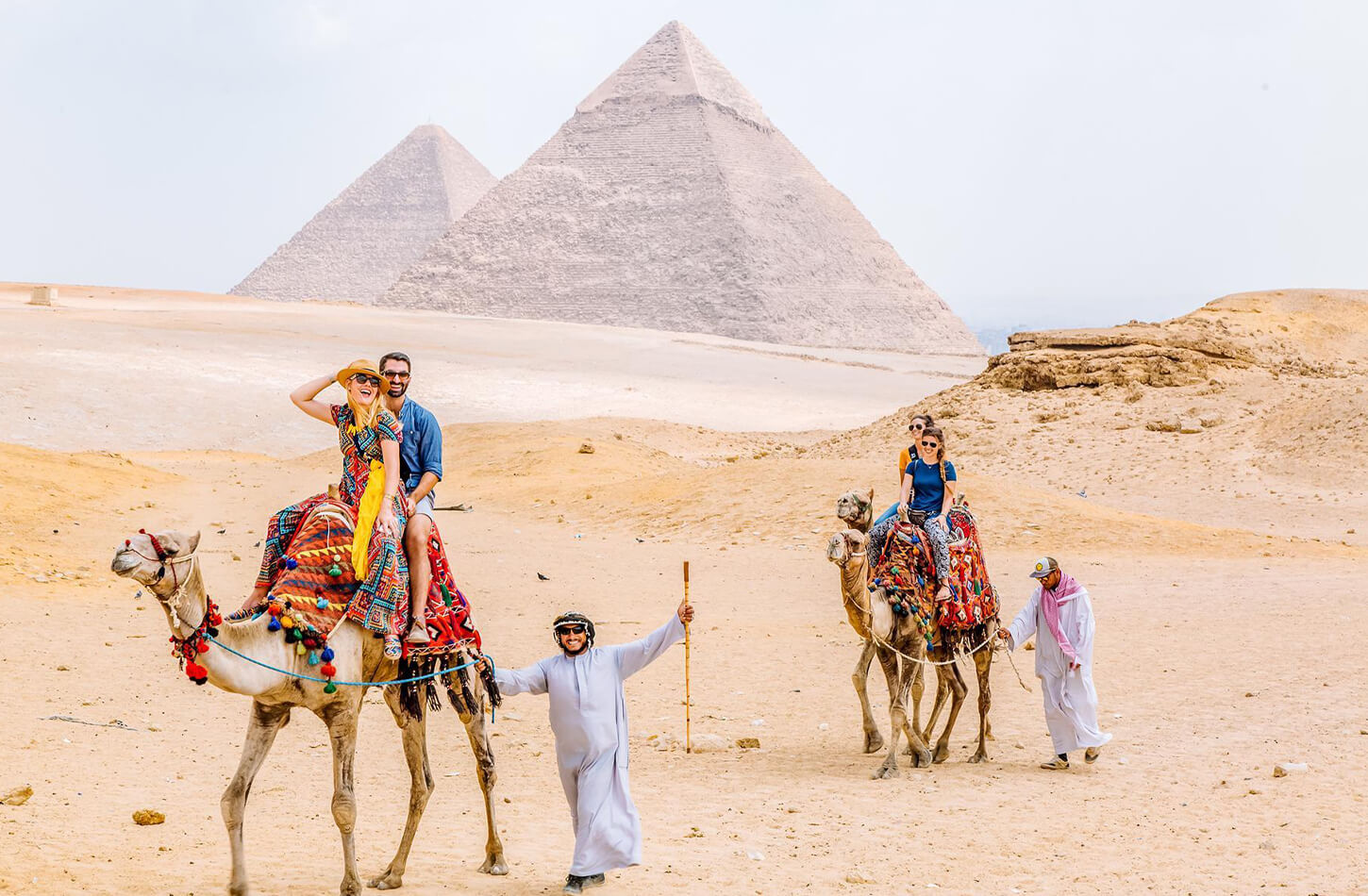
Is the “best time to visit Egypt” really set in stone? Many people go to Cairo and Luxor from October to April. This is because the winters are mild, around 66°F. But, summer has its own charm too.
In Alexandria, the daytime highs reach 88°F in August. Yet, it’s dry enough for desert adventures. Each season offers a unique experience for your Egypt trip planner.
Whether you want to dive in the Red Sea in June or avoid crowds at the Pyramids in March, there’s a perfect time. This guide helps you find the right weather and dates for your goals.
From the West Bank Marathon in January to avoiding crowds during Orthodox Christmas, timing is key. Even in Sharm El-Sheikh, October sunshine offers 80°F weather and saves money. Let’s explore how to plan around temperature spikes, events, and booking rules.
Understanding Egypt’s Climate Zones
Exploring the Climate of Egypt shows a land shaped by its geography. Egypt’s weather changes a lot from north to south, creating three main zones. Let’s look at each:
Mediterranean North (Alexandria): This area has milder Weather in Egypt than the south. Alexandria’s winters (Dec–Feb) are cool, averaging 59°F–66°F, with some rain. Summer highs reach 86°F, but sea breezes keep it cooler than inland.
Central Egypt (Cairo): Cairo’s climate is a mix of desert and Mediterranean. Winters are mild, with Jan averages around 48°F–66°F. Summers are hot, with July and August highs of 93°F–95°F. Spring can bring dust storms or the Khamaseen wind, affecting outdoor plans.
Southern Egypt (Luxor/Aswan): This region is known for its extremes. Daytime highs in July/August often hit 104°F+, but evenings cool to 77°F. Winter (Dec–Feb) is more comfortable, with 68°F–72°F days and 50°F–59°F nights. The dry heat makes it perfect for desert adventures.
Planning a trip? The Climate of Egypt affects what you can do. The Nile River keeps temperatures near Luxor and Aswan moderate. Cairo’s urban area can trap heat. Always pack layers, as daytime heat contrasts with chilly evenings everywhere. The Weather in Egypt also impacts festivals like the Abu Simbel Sun Festival in Feb/Oct, best enjoyed in cooler months.
The Best Time to Visit Egypt: Season by Season
Plan your trip with confidence by understanding Egypt’s seasonal shifts. Here’s your guide to the best and worst months for exploring this ancient land:
Winter (December-February): Winter is the peak travel season in Egypt. It offers daytime highs of 16°C to 22°C. Cairo’s pyramids and Luxor’s temples shine under sunny skies.
Book early—accommodations fill fast for Christmas and New Year. Nights here are cool, so pack a light jacket.
Spring (March-May): March brings mild 28°C days, while April nears 31°C. These months are ideal for temple hikes. By May, coastal resorts like Sharm el-Sheikh offer package deals.
Cairo’s elite head to the coast. Beware March’s khamsin winds, which can stir sandstorms.
Summer (June-August): Scorching days hit 40°C+ in Luxor, with Cairo’s smog peaking. Though crowds thin, summer’s extreme heat makes it the ideal season for Egypt vacation only for budget travelers seeking last-minute deals.
Stick to Red Sea beaches for cooling swims.
Fall (September-November): September’s 37°C highs ease to 28°C by November. This shoulder season balances comfort and affordability. October is prime for diving in the Red Sea.
November’s cooler nights mean layers are key for Cairo’s evenings.
Pair this guide with the peak travel season in Egypt details from later sections. Whether seeking desert adventures or Nile cruises, timing your visit ensures maximum enjoyment of Egypt’s timeless wonders.
Regional Weather Patterns Across Egypt
Exploring the Weather in Egypt means looking at its different areas. Cairo and Giza are great for sightseeing from October to April. Temperatures stay around 85°F (29°C) during the day.
At night, it can get as low as 55°F (13°C). This is perfect for seeing the pyramids without the heat. Just 60 miles south, Luxor has a different Climate of Egypt.
Summer in Luxor can reach 106°F (41°C), but winter cools down to 65°F (18°C). This makes it great for visiting temples.
Traveling south to Aswan, summer temperatures can go over 104°F (40°C). But November to February is the best time for Nile cruises.
Coastal Alexandria is cooler all year. Sea breezes keep summer highs at 88°F (31°C). Winter rarely goes below 57°F (14°C), making it a cool escape from the heat.
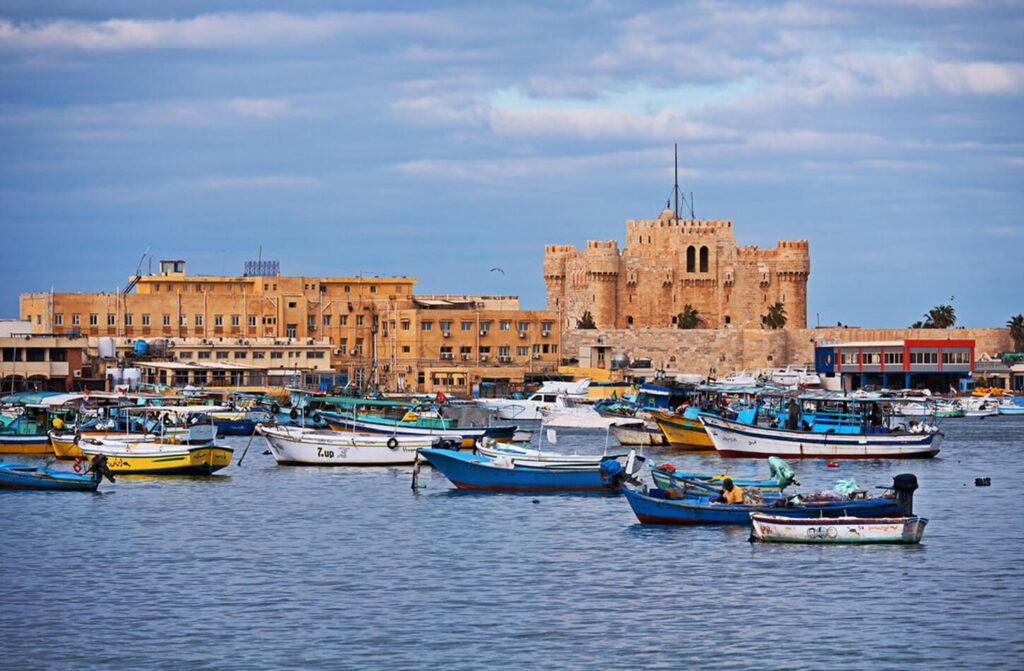
Red Sea resorts like Sharm El-Sheikh are great all year. Summer water temperatures are 82°F (28°C), and winter stays at 68°F (20°C).
Siwa Oasis is very different. Summer temperatures can reach near 118°F (48°C), but winter nights can drop to 30°F (-1°C). Spring travelers should watch out for Khamseen winds, which can cause sandstorms in the Nile Valley.
When planning your trip, remember coastal areas like Alexandria get lots of sunshine. Desert regions like the Western Desert have extreme temperature changes. Whether you’re hiking in Sinai or diving in Marsa Alam, always check the Weather in Egypt forecast. This way, you’ll know what to pack for your destination’s weather.
Must-See Attractions and Their Ideal Visiting Seasons
Planning your trip to Egypt’s top spots means knowing the best times to visit. Start with Abu Simbel’s Sun Festival in February or October. This is when sunlight perfectly lights up Ramses II’s sanctuary, great for photos and learning about culture.
The Valley of the Kings is best in winter (January–February). The cooler mornings make it easy to explore Luxor’s tombs. Arrive early to avoid the hot midday sun, which can reach over 30°C even in winter.
Nile River cruises are best from November to February. The weather is mild, perfect for relaxing on deck. The Pyramids of Giza and Cairo museums are best in March–May or September–November. Temperatures are under 30°C, making it more comfortable. Summer’s heat (up to 42°C) makes these spots less appealing, but you’ll find fewer people.
Abu Simbel’s magic isn’t the only seasonal highlight. Alexandria’s coastal areas are lovely in spring and fall, with cool Mediterranean breezes. The Red Sea’s resorts, like Sharm El Sheikh, are great for diving in March–May and September–November. The water is around 25°C. Use these tips to see Egypt’s sights without the crowds or extreme heat.
Egyptian Festivals and Cultural Events Calendar
Travel to Egypt during its festivals to see its true spirit. These events are the best time to visit Egypt. They highlight tourist spots in Egypt like Cairo’s Nile banks and Luxor’s temples. Here’s how to plan:
January/February: Experience the West Bank Marathon (late January) near Luxor’s temples. Or, join Coptic Christmas (January 7) in Old Cairo’s churches. The Nile’s shores come alive with Sham El-Nessim picnics on April 29, a 4,500-year-old tradition.
February–October: Don’t miss the Abu Simbel Sun Festival, happening twice a year (February 22 and October 22). It’s a unique sight near Aswan. Families also enjoy Labour Day (May 1) in Alexandria and Sinai’s Liberation Day (April 25).
November: The Cairo International Film Festival lights up downtown theaters. The Red Sea Jazz Festival in Sharm El-Sheikh mixes music with beach fun. The Cairo Opera House’s summer festival (June–August) brings performances near the pyramids.
Ramadan (March 11–April 9, 2025) brings lively evening markets in Islamic Cairo. Eid al-Fitr (April 10–12) fills streets with decorations. The Coptic New Year (September 11) and Wafaa El-Nil (August 15) in Luxor celebrate Nile heritage.
Plan your trip around these dates to enjoy culture and iconic sites. Whether hiking St. Catherine’s Monastery during Easter or sipping tea in Khan El-Khalili bazaar during Eid, festivals make sightseeing special.
Budget-Conscious Timing: Low Season Travel Tips
Summer in Egypt is the cheapest time to visit, with June being the most affordable month. Hotels and tours cut their prices by up to 50%. But, you’ll need to plan your activities around the heat.
Use Egypt travel tips to enjoy the savings without missing out on famous sights.
- Beat the heat and save: June to August sees average highs of 40-42°C (104-107°F), but air-conditioned hotels and early-morning sightseeing keep you comfortable. Nile cruises and Red Sea resorts offer 30-50% discounts during this low season.
- Shoulder seasons shine: April-May and September-October balance comfort and cost. April’s 83°F daytime highs in Cairo let you explore Luxor’s temples without summer crowds. October’s mild 73°F weather makes it ideal for Red Sea diving at half-price rates.
- Avoid peak chaos: Christmas, Easter, and Eid holidays drive up costs by 40%. Use an Egypt trip planner to book in late January or early March instead—prices drop 20% post-January compared.
- Book smart: Secure flights midweek for cheaper tickets. Skip Cairo’s busy airports for cheaper flights into Luxor or Aswan. Lock in Nile cruises 3-6 months ahead to snag discounts.
- Play the timing game: Dive in September’s 73°F Red Sea waters or snorkel in Dahab during May’s shoulder season. The Egyptian Marathon in February offers cultural immersion without peak season crowds.
Timing your trip strategically lets you enjoy pyramids, temples, and deserts without overspending. Pair Egypt travel tips with an Egypt trip planner to find the best deals while avoiding extreme heat or holiday spikes.
Packing Essentials for Every Season in Egypt
Choosing the right gear is key when planning your trip to Egypt. For winter (December–February), pack lightweight layers. Daytime temperatures are 60–70°F, but evenings can be chilly, around the 50s. Bring a fleece and scarf for the desert evenings.
Spring (March–May): Expect warmer days, with temperatures between 70–95°F. Wear breathable cotton shirts and long sleeves treated with insect repellent. A wide-brimmed hat and UV-protective sunglasses are essential. Don’t forget a light windbreaker for desert winds.
Summer (June–August): It gets very hot, often over 100°F. Use moisture-wicking fabrics and apply sunscreen with at least 50 SPF. Carry a cooling neck scarf and lightweight long sleeves for sun protection. Cotton is not recommended; choose quick-dry materials instead. Always carry a reusable water bottle to stay hydrated.
Fall (September–November): The weather is still warm, with daytime temperatures between 80–95°F. Evenings can be cooler, so layer with a linen jacket. Bring a light rain jacket for sudden Nile mists. If you’re visiting the Red Sea, don’t forget your swimsuit.
Universal essentials include 3 pairs of shoes—sandals, sneakers, and walking shoes. Travel-sized toiletries are a good idea, as Egyptian stores sell basics but sunscreen is more expensive. Avoid bringing drones, as they’re banned. Secure a scarf for mosques and conservative areas. A power bank is useful, as temple hikes can drain your phone’s battery. And always drink bottled water, as tap water is not safe to drink.
Health and Safety Considerations by Season
When planning your Egypt trip planner, remember to prioritize health and safety. Summer in Egypt is very hot, often over 104°F in the south. You’ll need to drink lots of water (4-5 liters daily) and take breaks in the shade. Try to avoid being in the sun during the hottest part of the day.
Carry supplements to help with dehydration. The sun’s UV rays are strongest during summer.
In winter, it gets cooler at night, so wear layers. Use face masks in desert areas to protect against dust from Khamaseen winds. These winds can carry sand or allergens in spring.
Always drink bottled water, not untreated Nile water. Carry a reusable bottle for convenience. Avoid swimming in natural waters to avoid schistosomiasis risks.
Protecting yourself from insects is key. Use repellents with 20%+ DEET. The CDC recommends getting vaccinated for hepatitis A and typhoid.
When eating, choose well-cooked foods and avoid raw salads. Wash your hands often with sanitizer (60%+ alcohol) to prevent stomach problems. Always wear seatbelts and avoid crowded taxis, like those in Cairo.
Be aware of security advisories for the Sinai Peninsula (Level 4—Do Not Travel) and Western Desert. Stick to approved tour routes and sign up for STEP for alerts. Carry travel insurance that covers evacuation, as remote areas lack emergency care.
Learn about cultural norms to avoid harassment. Dress modestly and avoid public demonstrations. With these Egypt travel tips, you can have a safe trip. Plan activities for cooler times of day and check with a doctor before traveling, if you have health concerns.
Stay prepared and explore Egypt confidently this season.
Planning Your Trip: Itinerary Suggestions by Season
Whether you’re using an Egypt trip planner or booking last-minute, these tailored itineraries help you make the most of your journey. Let’s break down how to plan days based on when you visit.
Winter (Dec–Feb): Peak travel season in Egypt
Spend 2–3 days exploring Cairo’s Pyramids of Giza and the Egyptian Museum. Add 3 days in Luxor visiting Karnak Temple and Valley of the Kings. End with 2 days in Aswan, including Philae Temple. This winter schedule balances history with comfortable outdoor walks.
Spring (Mar–May): Balmy beginnings
Kick off with a full day at Giza’s pyramids. Next, a Luxor tour over two days. Include a desert safari in the mornings and Nile-side relaxation in the heat of the day. End with a serene stay in Aswan.
Summer (Jun–Aug): Beat the heat
Rise early for Luxor’s temples before 10 AM. Spend afternoons on a Nile cruise or swimming in Red Sea resorts like Hurghada. Alexandria’s Mediterranean beaches offer coastal escapes during peak summer heat.
Autumn (Sep–Nov): Golden weather
Pair a 3-day Nile cruise with the Abu Simbel Sun Festival (Oct 22) if visiting in September or October. Luxor and Cairo tours are ideal, with shorter crowds than winter. A 7-day trip could cover Cairo (2 days), Luxor (3 days), and Aswan (2 days).
Plan ahead by booking Nile cruises months in advance during peak seasons. Use the new online ticket system for major sites like the Pyramids. For summer, prioritize evening sound-and-light shows in Aswan or Cairo when temperatures drop. Your Egypt trip planner should also note visa costs ($25 USD) and budget tips like affordable Koshary meals ($2.70 CAD).)
Conclusion: Making the Most of Your Egyptian Adventure
When planning your Ideal season for Egypt vacation, think about what’s important to you. Do you want comfort, fewer crowds, or to save money? October to April is the Best time to visit Egypt for nice weather. Winter is cool for desert safaris, while spring has festivals like the Abu Simbel Sun Festival.
Autumn cools down after summer. To make your trip smooth, here are some tips. Book Nile cruises early for the best spots during busy times. Visit famous sites like the pyramids early to dodge the crowds.
Use the shoulder seasons (May and September) for fewer people and lower prices. Check out local events like Ramadan’s night markets or Coptic Christmas for a real cultural feel. Coastal places like Sharm El Sheikh are pleasant all year but less crowded after August.
Egypt’s wonders, from Luxor’s temples to the Red Sea’s reefs, are timeless. Whether you’re after cooler weather or festivals, your adventure begins with the right timing. With this guide, you’re set to plan a trip that fits your style. Happy travels—Egypt is waiting for you!
Discover more of our related articles: